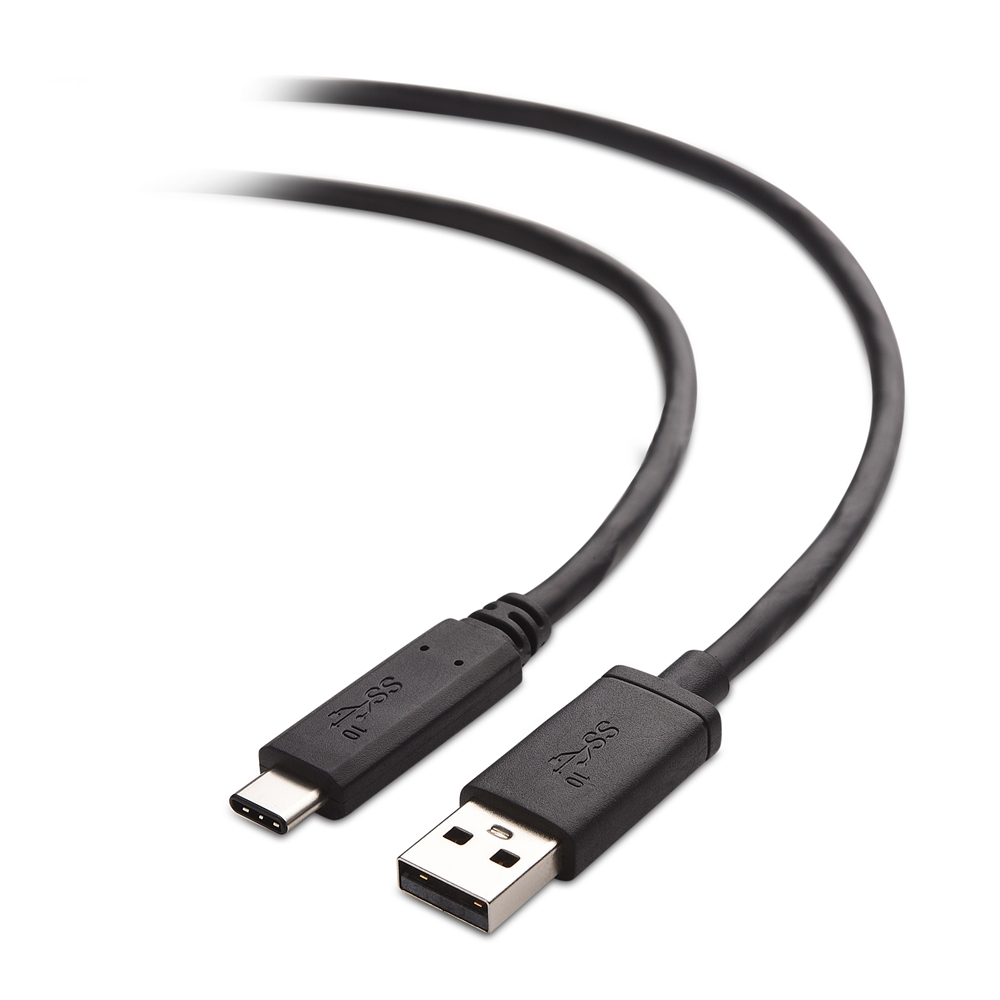
The Versatility of USB-C: Why It’s the Go-To Connector for Modern Devices
The rise of USB-C has revolutionized the way we connect our devices, making it the go-to connector for modern technology. Its unique design allows for a reversible connection, eliminating the frustration of trying to plug in the cable the right way. This versatility is complemented by its ability to support a variety of functions, including data transfer, video output, and charging, all through a single port. For instance, with USB-C, users can connect their laptops to monitors, charge their smartphones, and even power other peripherals seamlessly.
Moreover, the adaptability of USB-C is highlighted by its compatibility with a vast range of devices. From laptops to smartphones, tablets, and even gaming consoles, the USB-C connector is becoming the standard across the tech industry. As manufacturers shift towards this unified port, consumers can enjoy the benefits of reduced cable clutter and improved user experience. Additionally, the various charging speeds and data transfer rates offered by USB-C make it an essential component for anyone looking to enhance their tech ecosystem.
Counter-Strike is a highly popular tactical first-person shooter game that has captivated players around the world. With its competitive gameplay and team-based mechanics, it has fostered a vibrant eSports scene. Players often seek enhancements for their gaming gear; for instance, check out the Top 10 usb c accessories to elevate your gaming experience. Over the years, the series has evolved, introducing new maps and game modes that keep the community engaged.
How USB-C is Revolutionizing Connectivity: Features and Benefits Explained
USB-C is rapidly becoming the standard for modern connectivity, thanks to its versatile design and robust capabilities. Unlike its predecessors, USB-C features a reversible connector, allowing users to plug it in either way, which eliminates the hassle of fumbling with cords. One of the most significant benefits of USB-C is its ability to support higher power delivery, enabling faster charging for devices, from smartphones to laptops. This feature is particularly beneficial in a fast-paced world where time is of the essence and dead batteries can hinder productivity.
In addition to faster charging, USB-C offers enhanced data transfer speeds that can reach up to 20 Gbps, making it ideal for individuals who work with large files or require quick file transfers. It also provides support for multiple protocols, including DisplayPort and HDMI, allowing users to connect to a variety of devices without needing additional adapters. This versatility makes USB-C a game changer in the realm of connectivity, offering a unified solution that can simplify users' technological lives.
Is USB-C the Future of Charging? Exploring Its Potential and Compatibility
As technology continues to evolve, the USB-C connector is becoming increasingly dominant in the world of charging and data transfer. With its reversible design and ability to handle power output up to 100 watts, USB-C is poised to replace older standards like USB-A and micro USB. This transition not only simplifies the user experience—eliminating the frustration of trying to insert a connector the wrong way—but also provides faster charging capabilities and improved data transfer speeds. Industry leaders are already adopting USB-C, making it a central component of many new devices, from laptops to smartphones, further solidifying its position as the future of charging.
However, the true potential of USB-C lies in its compatibility across a wide range of devices. This single connector type is designed to support various protocols, including Thunderbolt 3, which allows for high-speed data transfer and video output alongside power delivery. As manufacturers continue to embrace USB-C, consumers can expect greater interoperability among gadgets. In addition, as seen with Apple's recent decision to adopt USB-C for its iPad lineup, the shift away from proprietary connectors signals a broader trend toward universal solutions that enhance convenience and reduce electronic waste. The future of charging is unquestionably leaning towards USB-C, and its widespread adoption will likely transform how we power our devices.