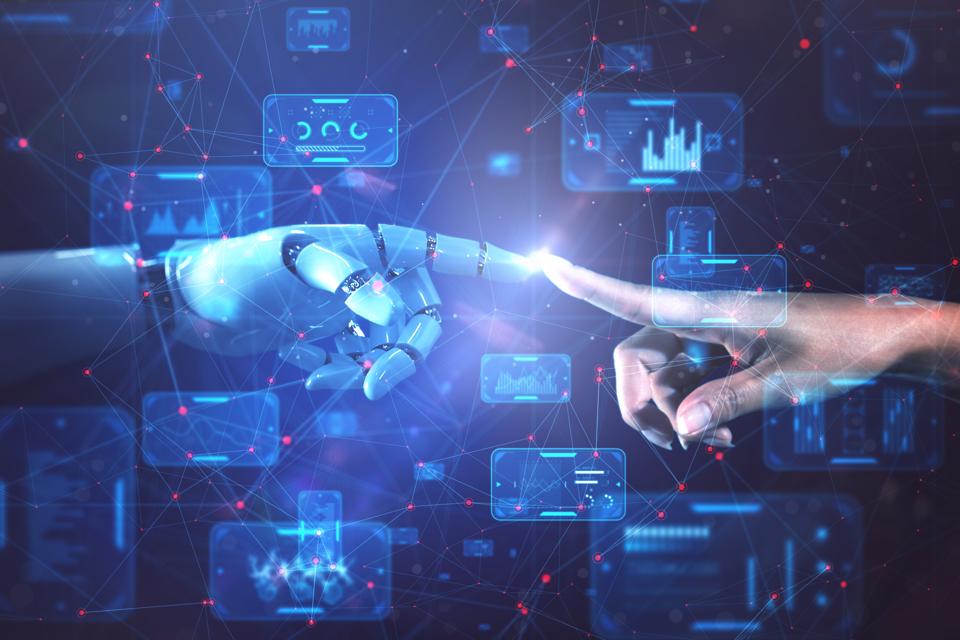
How Social Media Algorithms are Shaping Public Opinion
The influence of social media algorithms on public opinion cannot be overstated. These algorithms curate our feeds, determining which content we see based on our interactions, preferences, and behavior on the platform. As a result, users are often exposed to a narrow range of perspectives, reinforcing their existing beliefs. This phenomenon, known as the filter bubble, can lead to polarization within society, as different groups consume vastly different information. Research indicates that the way algorithms prioritize sensational or controversial content can significantly skew public discourse, shaping the overall narrative on pivotal social issues.
Moreover, the impact of social media algorithms extends beyond individual users to influence broader societal norms and trends. As users engage with content they find relatable or thought-provoking, algorithms adapt to magnify these trends, often leading to collective movements or reactions. For example, instances of social justice activism have surged in prominence due to algorithmic amplification of related content. However, this also brings forth challenges, as misinformation can spread quickly, affecting public perception. In navigating this digital landscape, it is crucial for users to critically assess the information being presented and understand the underlying mechanisms of social media platforms.
Counter-Strike is a popular first-person shooter game that pits teams of terrorists against counter-terrorists in various objective-based scenarios. Its competitive gameplay and strategic depth have made it a staple in the eSports community. For gamers looking to enhance their experience, consider exploring the Top 10 mac accessories for productivity that can optimize their setup.
The Rise of Virtual Reality and Its Impact on Social Interactions
The advent of Virtual Reality (VR) has revolutionized how we perceive and engage in social interactions. No longer constrained by physical borders, individuals can immerse themselves in virtual worlds that foster connections with others from across the globe. As VR technology becomes more accessible, communities are flourishing in astonishingly realistic environments where people can meet, socialize, and collaborate. This shift from traditional face-to-face communication to virtual platforms has raised questions about the authenticity of relationships formed in these digital landscapes, thus inviting discussions around the nature of human interaction itself.
Moreover, the impact of VR on social interactions extends beyond mere entertainment; it influences educational environments, professional networking, and even mental health support. For instance, VR applications are being utilized in therapy settings to help individuals confront their anxieties in a controlled setting. As VR continues to grow, its potential to enhance social connections and bolster well-being becomes increasingly clear. The challenge lies in balancing the benefits of these technologies with the need for genuine human engagement, ensuring that as we explore virtual spaces, we maintain the essence of meaningful interactions.
Are We Losing Our Humanity? Exploring the Balance Between Tech and Culture
In a world increasingly driven by technology, a pressing question emerges: Are we losing our humanity? The rapid advancement of artificial intelligence, social media, and automation has reshaped our daily interactions and cultural norms. As we rely more on digital platforms for communication, there is a risk of disconnecting from the authentic, face-to-face engagements that define our humanity. Additionally, the prevalence of virtual realities can lead to a diminished appreciation for the tangible world, prompting us to reflect on the delicate balance between tech and culture.
However, technology also possesses the potential to enrich our cultural experiences. By facilitating global connectivity, we can share traditions, art, and ideas across borders like never before. Yet, we must remain vigilant in fostering a culture that values emotional intelligence, empathy, and human connection alongside technological innovation. To ensure we do not lose sight of our humanity, we must consciously curate our digital experiences, striving for a balance that embraces both the benefits of technology and the essence of our collective cultural identity.