5 Essential Ergonomic Tips to Elevate Your Home Office Comfort
5 Essential Ergonomic Tips to Elevate Your Home Office Comfort
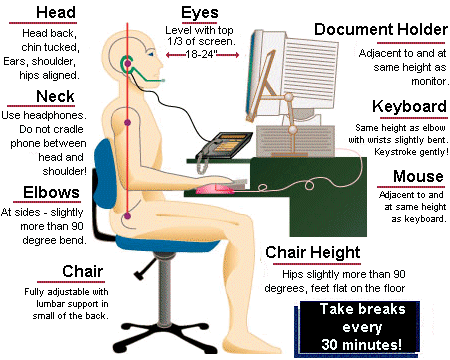
Creating a comfortable home office is key to enhancing productivity and well-being. By implementing ergonomic tips, you can significantly reduce the risk of discomfort and injuries. Here are five essential ergonomic tips that you should consider:
- Invest in an Ergonomic Chair: Your chair should support your lower back and allow your feet to rest flat on the floor. Look for chairs with adjustable heights and lumbar support.
- Optimize Your Desk Height: Your desk should allow your elbows to be at a 90-degree angle when typing. Consider an adjustable desk that can be raised or lowered to suit your needs.
- Position Your Monitor Correctly: The top of your monitor should be at or just below eye level to prevent neck strain. Keep your screen about an arm’s length away.
- Take Regular Breaks: Set a timer to remind yourself to stand up and move every hour. This breaks up long sitting sessions and promotes circulation.
- Use Proper Lighting: Ensure your workspace is well-lit to reduce eye strain. Use natural light where possible and avoid glare on your screen.
By integrating these ergonomic tips into your home office setup, you’ll not only enhance your comfort but also boost your overall productivity. Remember, investing in your workspace is investing in your well-being!
Counter-Strike is a tactical first-person shooter game that has become a cornerstone of competitive gaming. Players assume the roles of terrorists or counter-terrorists, engaging in strategic gameplay to complete objectives. To enhance your gaming experience, consider investing in some Top 10 Desk Accessories for Productivity which can improve your setup and keep you focused during intense matches.
How to Craft a Balanced Workspace: Ergonomics for Health and Productivity
Creating a balanced workspace is essential for maintaining both health and productivity. Ergonomics, the science of designing a workspace to fit the user, plays a pivotal role in preventing strain and discomfort. Start by ensuring that your desk and chair are properly adjusted. Your chair should support your lower back, and your feet should rest flat on the ground or on a footrest. Additionally, position your computer monitor at eye level to avoid neck strain. Implementing these adjustments not only enhances comfort but also boosts productivity by allowing you to focus better on your tasks.
Further enhancing your workspace balance involves integrating elements that promote both mental and physical well-being. Consider the following tips to create a healthy environment:
- Incorporate plants to improve air quality and promote a sense of calm.
- Use blue light filters on screens to reduce eye strain during extended work hours.
- Schedule regular breaks to stretch and walk around, minimizing fatigue.
By emphasizing ergonomics and the overall atmosphere of your workspace, you can cultivate an environment that promotes both health and productivity.
Is Your Workspace Harming You? The Importance of Ergonomics Explained
Many individuals spend countless hours in their workspace, but few consider whether their setup may be harming them. Poor ergonomics, which refers to designing the workspace to fit the user’s needs, can lead to serious health issues over time. Ergonomic principles emphasize the importance of adjusting your workstation to create a comfortable and safe environment. This includes proper chair height, monitor placement, and keyboard positioning. Failing to adhere to these principles can result in chronic pain, decreased productivity, and even long-term injuries.
To better understand the impact of ergonomics on your health, consider the following common symptoms associated with poor workspace design:
- Muscle strain in the neck and back
- Repetitive strain injuries, such as carpal tunnel syndrome
- Eye strain and fatigue
- Fatigue and discomfort throughout the workday