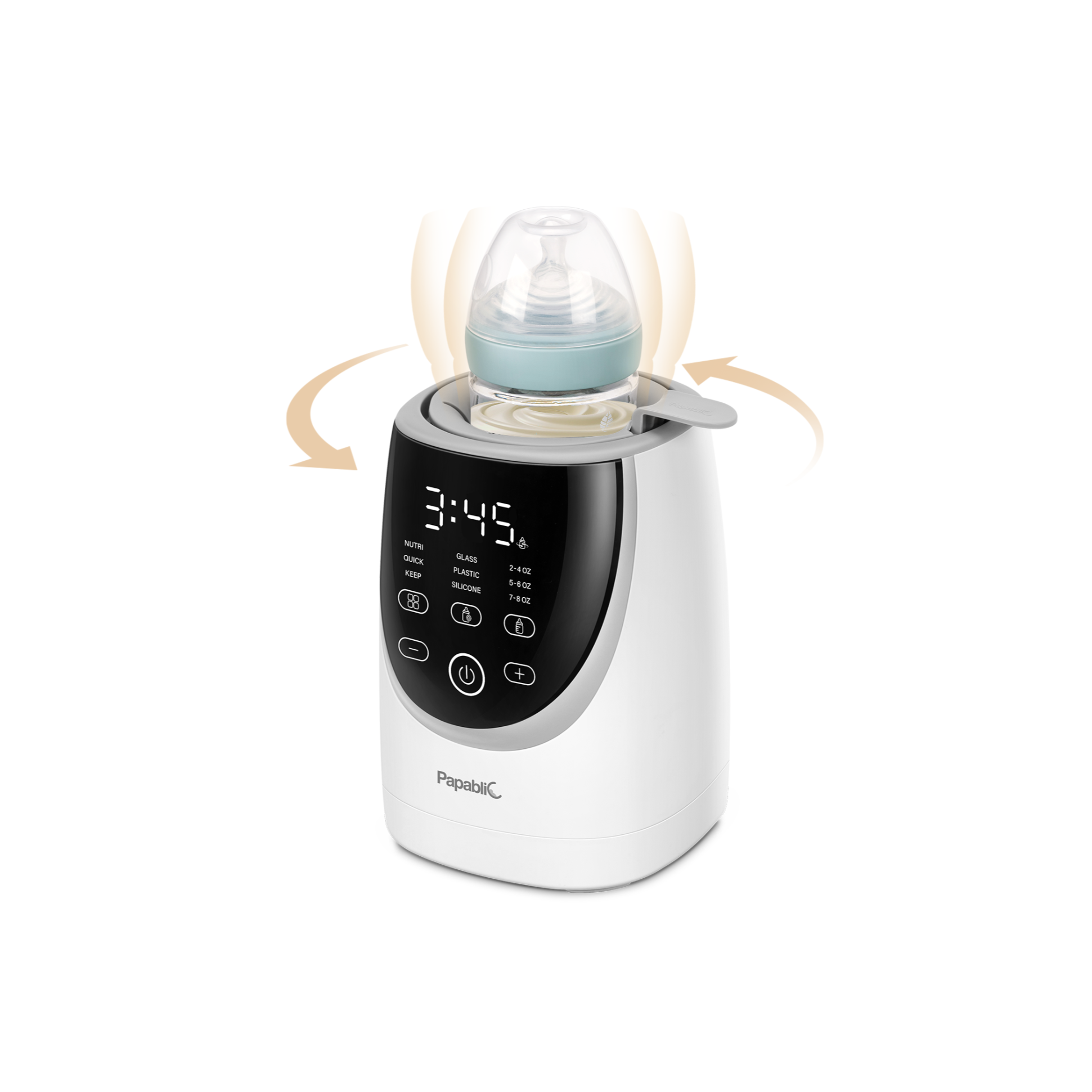
The Science Behind Temperature: Why Warm Bottles Make Happy Babies
The temperature of a baby's bottle can significantly impact their feeding experience and overall comfort. Research indicates that infants generally prefer warm milk over cold, as body temperature naturally hovers around 98.6°F (37°C). This preference is rooted in biology; as newborns, they associate warmth with feelings of safety and security. When a bottle is warmed to a comfortable temperature, it mimics the experience of breastfeeding, thereby facilitating a smoother transition. In fact, studies show that warm bottles help reduce fussiness, encourage relaxation, and promote a more positive feeding atmosphere, ultimately making for happier babies.
In addition to emotional comfort, there’s also a practical aspect to having warm bottles. Warm milk is easier for babies to digest than cold milk, which can sometimes lead to gastrointestinal discomfort. This is particularly important for infants during their early months when their digestive systems are still developing. By providing a warm bottle, parents can not only enhance their baby's feeding experience but also contribute to their well-being. So, when preparing to feed your little one, consider warming the bottle—as the science suggests, a simple act can lead to a sweeter, happier baby.
Counter-Strike is a highly popular first-person shooter game that pits teams of terrorists against counter-terrorists in various objective-based scenarios. Players choose from multiple character classes and engage in tactical gameplay, requiring teamwork, strategy, and precision. For parents looking to save time in feeding their babies, check out the Top 10 Fast Bottle Warmers for efficient warming solutions. As one of the most iconic esports titles, Counter-Strike has a thriving competitive scene with tournaments held worldwide.
How to Safely Warm Baby Bottles: Tips for New Parents
Warming baby bottles can be a delicate process, and it's essential to do it safely to ensure your little one gets the best nutrition without any risks. One of the most recommended methods is to use warm water. Simply fill a bowl or a pot with warm water and submerge the bottle, making sure that the water level is below the top of the nipple to prevent contamination. This method gently warms the milk and helps retain its nutrients. Avoid using a microwave, as it can create hot spots that could scald your baby’s mouth and throat.
Another effective technique is to invest in a bottle warmer, specifically designed for this purpose. These devices can heat the milk evenly and often come with features that allow you to set the perfect temperature. Additionally, if you’re in a pinch, you can also opt for the running hot water method: hold the bottle under running warm water for a few minutes, shaking it occasionally to distribute the heat. Always remember to test the temperature of the milk by squirting a few drops on your wrist before feeding your baby to ensure it’s comfortably warm.
Is a Warm Bottle Better? Exploring Your Baby's Preferences
When it comes to feeding your baby, one common question many parents ask is, is a warm bottle better? Infants are naturally drawn to the comforting sensation of warmth, reminiscent of breastfeeding. Many babies may prefer their milk slightly warmed, as it can mimic the body temperature of breast milk. This preference may help them relax and enjoy feeding more. It's essential to consider your baby's unique reactions, as some may not have a strong preference either way. Observing their cues during feeding can offer valuable insights.
Moreover, warming the bottle may have additional benefits beyond comfort. When you warm formula or breast milk, it can enhance the sensory experience for your little one, potentially easing digestion and reducing gas. However, it's important to note that not all babies require a warm bottle; some may prefer their milk at room temperature or even chilled. Ultimately, gauging your baby's preferences while keeping safety in mind—such as avoiding overheating—is crucial in providing the best feeding experience.