How Does Bluetooth Technology Work to Enhance Your Audio Experience?
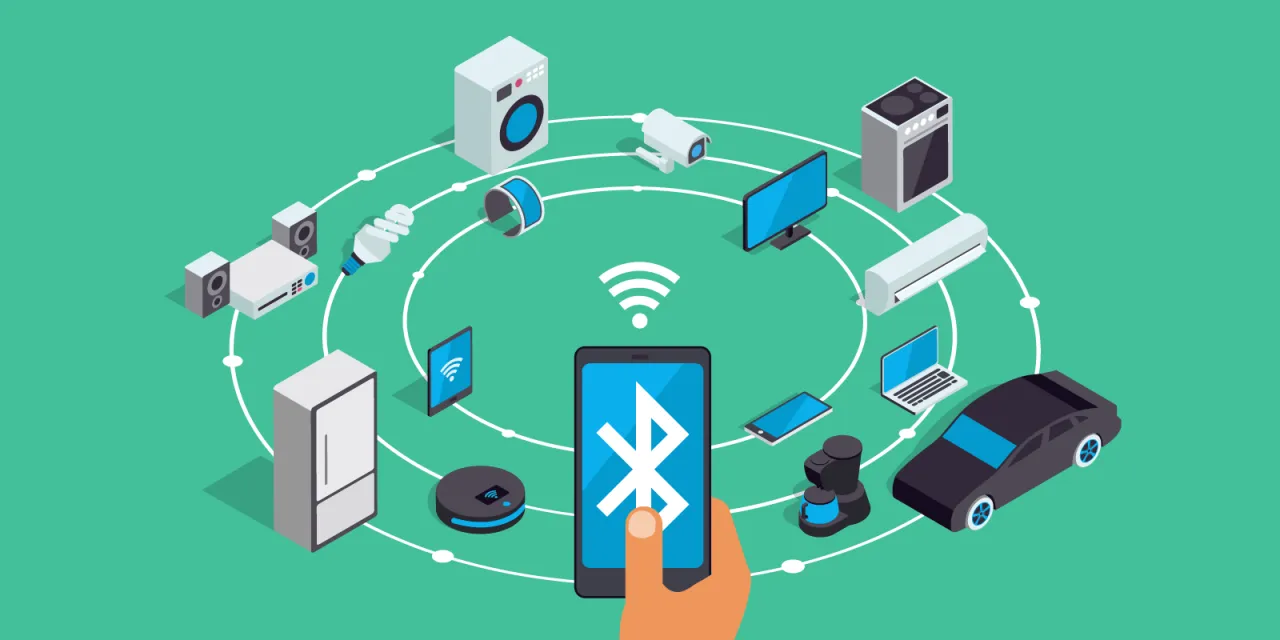
Bluetooth technology revolutionizes the way we experience audio by enabling wireless communication between devices. At its core, Bluetooth uses short-range radio frequency waves to transmit audio signals over distances typically up to 30 feet. This eliminates the clutter of cords and cables, providing users with the freedom to move around without losing audio quality. The process begins when a device, such as a smartphone or tablet, sends a signal to a Bluetooth-enabled speaker or headphones. After pairing the devices, they establish a secure connection, allowing for seamless streaming of high-quality sound.
One of the key benefits of Bluetooth technology in enhancing audio experience is the ability to effortlessly connect multiple devices. Users can switch between their phone, tablet, or laptop without needing to re-pair each time. Additionally, advancements in Bluetooth codecs, like aptX and AAC, have improved sound quality by compressing audio data without losing detail. This ensures that listeners enjoy clear and rich sound, making Bluetooth a popular choice for audiophiles and casual listeners alike. As technology continues to evolve, we can expect further improvements in Bluetooth audio quality and connectivity.
Counter Strike: A Classic Tactical Shooter
Counter Strike is a highly popular first-person shooter game known for its competitive gameplay and team-based tactics. Players join either the Terrorist or Counter-Terrorist team and engage in various objective-based scenarios. This game has evolved significantly since its initial release, fostering a massive esports community. For gamers looking to optimize their setup, consider checking out the Top 10 Bluetooth Tablet Keyboards that enhance the gaming experience on mobile devices.
The Evolution of Bluetooth: From Earbuds to Home Sound Systems
The journey of Bluetooth technology has transformed the way we experience sound, evolving from simple wireless communication to an integral part of our daily audio consumption. Initially introduced in 1999, Bluetooth was designed to replace RS-232 cables for short-range communication between devices. In the early 2000s, Bluetooth headphones became popular, allowing users to enjoy music and make phone calls without being tethered to their devices. As technology advanced, so did the quality and functionality of Bluetooth audio devices, leading to the development of Bluetooth earbuds that offered superior sound quality and battery efficiency.
Today, the capabilities of Bluetooth have expanded significantly, with devices ranging from compact Bluetooth earbuds to sophisticated home sound systems seamlessly integrating into our lives. The introduction of Bluetooth 5.0 has granted users improved range, stability, and audio quality, making hi-fi sound reproduction possible even in portable devices. Moreover, the rise of smart speakers and home theater systems equipped with Bluetooth connectivity has revolutionized how we stream and control our audio experience, allowing for a truly wireless home entertainment setup. This evolution not only showcases the versatility of Bluetooth technology but also emphasizes its crucial role in modern audio solutions.
Is Bluetooth Audio Quality Good Enough? Comparing Wired vs. Wireless Sound
When it comes to audio quality, Bluetooth audio has come a long way, but many audiophiles still debate whether it can truly compete with wired connections. Bluetooth technology uses various codecs, such as SBC, AAC, and aptX, to compress and transmit audio signals wirelessly. Each codec has its own level of efficiency and sound quality, with some – like aptX HD – offering near-CD quality. However, users may still experience latency and slight compression artifacts when streaming audio, which can be a concern for those who cherish rich, unaltered sound as provided by traditional wired connections.
On the other hand, wired audio connections provide a direct link between the source and the output device, ensuring that the audio signal remains uncompressed and free from interference. This setup often results in a crisper sound with better dynamic range and lower noise levels. While Bluetooth audio continues to improve and may suffice for casual listeners, the debate continues: is Bluetooth audio quality good enough for serious music enthusiasts? Ultimately, it depends on individual preferences and how critical one is about audio fidelity.